
Why maneuvers matter in Optimsit sailing?
Advanced tacking technique
Hello everyone!
This post focuses on maneuvers and the synchronized movement of the boat and the skipper. The video linked here shows 12-year-old Balázs Gyapjas in 2007 during a season-opening training camp, practicing a maneuver we learned from the Italians a few years earlier. In the video, Balázs completes seven tacks—and if you treat it as a challenge, try to do one more than he did!
Video link: Watch here
Every time I show this as an example, there’s always a mix of amazement and dismissal— “It looks easy!”... but it’s not always that simple! :) So give it a go!
This exercise is excellent for testing hand-eye-foot coordination, body motion, boat balance, and mainsheet control. In other words, it evaluates how well the sailor can control the boat and how automatic their movements have become.
When discussing advanced maneuvers and boat-handling techniques, I always start by asking competitors what they think is the primary control mechanism on an Optimist. Nine out of ten respond with "the rudder." The remaining one - often the one leading a race - replies, “The skipper’s body weight,” with the rudder only assisting.
And indeed, as a sailor’s body weight approaches that of a fully rigged Optimist, they can exert more influence over the boat, allowing them to heel and steer the boat more aggressively among other things. This creates an interesting challenge for coaches. Early on, we teach beginners (sometimes for years) to push or pull the rudder. Gradually however, that movement must become more refined, requiring smaller and more precise rudder adjustments—until, in the end, the sailor has to “unlearn” this now - automated technique to advance to the next level of boat handling.
Thinking about it, the entire process of teaching sailing is about continuously improving the basic, partly automated boat-handling skills learned initially. This is inevitable, as we can’t expect the same level of physical and mental capability from an eight- or nine-year-old as from a fourteen- or fifteen-year-old. The challenge is recognizing when it’s time to transition.
Back to the rudder: as sailors get older, relying too heavily on it instead of using body weight often results in lost speed.
The key to the exercise in the video is feeling the balance point—pulling the boat toward you without falling into the water, while keeping it heeled to execute a dynamic roll tack. When switching sides, you need to “scoop” with the sail to regain momentum. Of course, this needs to be paired with proper hiking and sheet-handling techniques.
If these components are well-practiced and automatic:
- Sheeting
- Hiking
- Body movement;
then the exercise becomes much easier, and the following maneuvers can be developed from these fundamentals: - roll tack
- gybing
- 360° penalty turn
- 720° penaltu turn
Summary: During
training camps, especially when other clubs or even international competitors
are around, it’s worth looking around to observe what others are practicing and
consider why they’re doing it. This can be an extremely valuable learning experience!
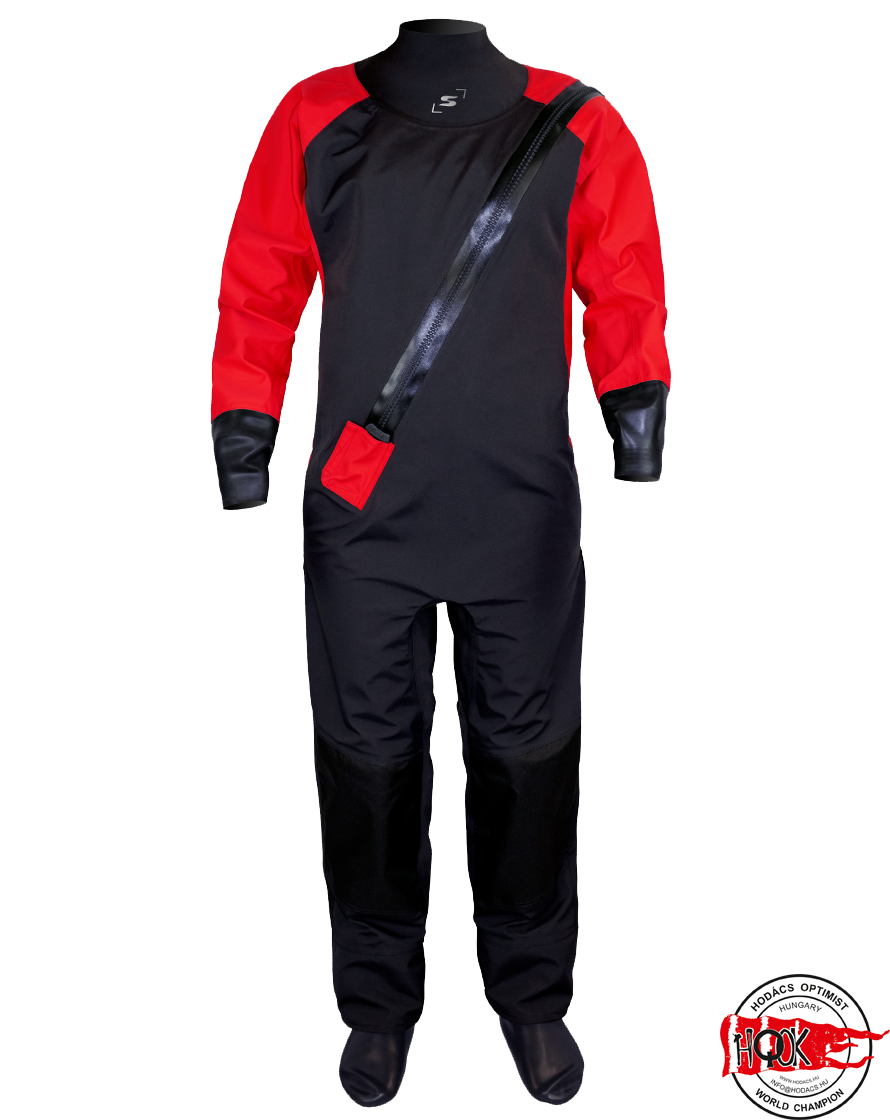
Introducing the Rising Star Rookie Dry Suit, the perfect choice for young sailors looking for a reliable yetbudget-friendly option. Designed with practicality in mind, this dry suit offers great features for a smooth sailingexperience at an affordable price. Featuring a neoprene neck cuff, the Rookie dry suit ensures warmth and comfort, allowing young sailors to enjoy their time on the water without any distractions. The suit comes with latex boots and wrists to prevent water from seeping in, keeping the young ones dry and cozy during their sailing escapades. Equipped with a YKK front zipper, the Rookie dry suit guarantees quick and easy dressing, making preparationhassle-free. Additionally, it includes an elastic waist design, allowing for comfortable movement and greatfitting. The Rookie dry suit incorporates reinforced areas on the knees and seat, protecting these high-impact zonesfrom wear and tear. This thoughtful design ensures that the suit remains durable and resilient for regular use.Each Rookie dry suit undergoes strict waterproof testing, ensuring its reliability before it hits the market. Avaialble in size from XXSJ to XLJ FEATURES: -Breathable and waterproof 3-layer cloth;-Waterproof up to 20,000 mm;-Breathable at 6,000 g/sqm/24h;-LDWR (long durable water repellency) treatment;-Reflective zones for enhanced visibility;-Neoprene neck with a super- stretch cuff;-Duratex reinforcements on knees and seat part.
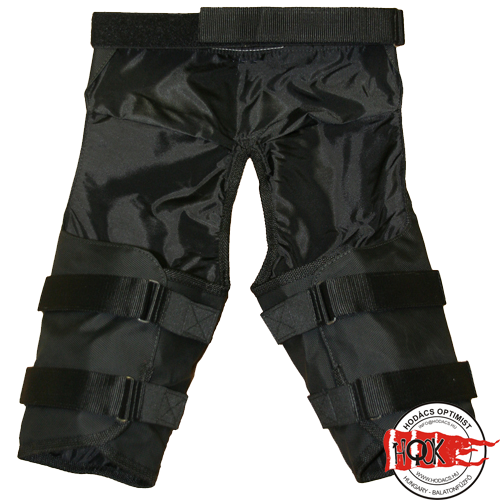
Hiking pants for optimist sailors.Features:- Durable 1680D polyester - Stiff polyester battens - Velcro closures on legs and waist - Elastic sections to increase comfort Size informations:JS: 53-67cm (9-12 years)JM: 60-76cm (12-14 years)JL: 69-86cm (14-16 years)
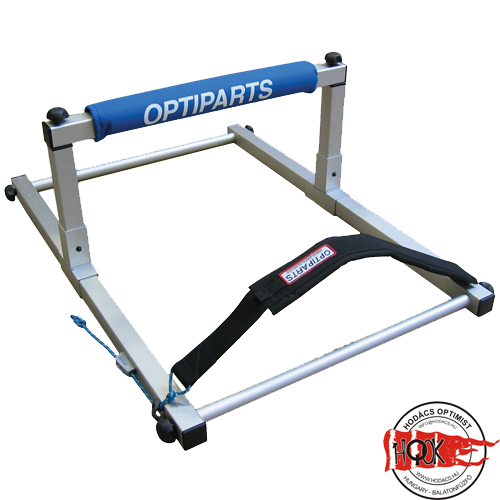
Fully detachable hiking bench with adjustable hiking strap.This is the ultimate solution for hiking fitness while you are watching TV, reading a book or playing a video game. This lightweight, super strong hiking bench is made of the same materials as our Optiparts trolley and is just as easy to assemble. Perfect for that extra training session. Only 3.7kg (8 lbs).
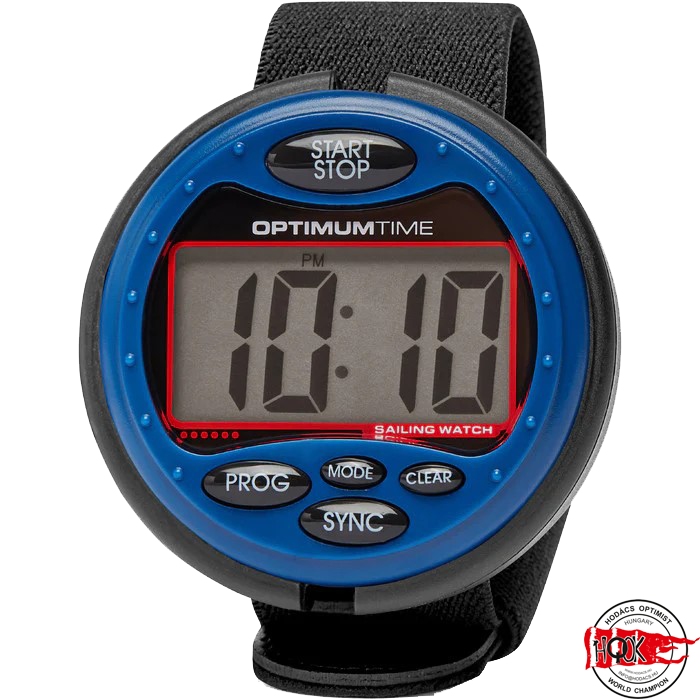
Meet the legendary Optimum Time OS3 – the “Big Yellow Timer” trusted by sailors around the globe. Whether you’re racing at club level or international regattas, this watch delivers performance and precision you can rely on. Its large, clear display rotates to any angle for perfect visibility, and the big buttons make operation simple even under race pressure. Strap it to your mast or wear it over your wetsuit—either way, it’s built to last. Shock-resistant, waterproof to 5 ATM, and fitted with an electro-luminescent backlight, the OS3 is ready for any condition. Its pre-programmed ISAF start sequences, countdown & repeat modes, and instant sync button ensure you’re always in control of your start. Built for champions—engineered for every sailor.Features: - 65mm diameter ABS case - 38mm x 20mm display - single row display with 16mm digit height - adjustable viewing angle - boom/mast mount bracket supplied - adjustable elasticated strap - water-resistant to 5 ATM - shock resistant construction - electro-luminescent backlight featureTimer functions: - normal timekeeping mode (12 or 24 Hours) - pre-programmed 5,4,1,0 ISAF start sequences or 5 min, 3 min, and 1 min programs with audible alarms (can be silenced if preferred) - countdown & repeat or countdown and up - sync button for instant synchronisation if a gun is missed - count-up from zero
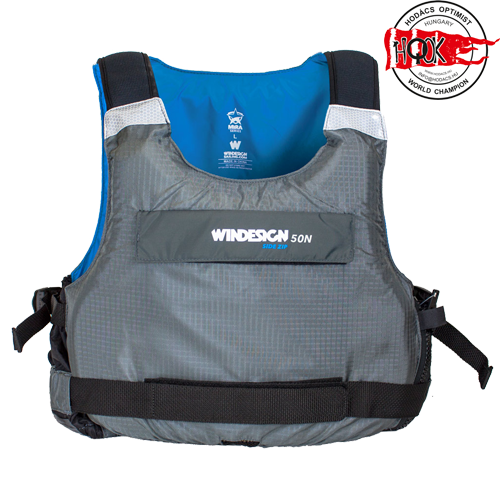
Features:- ripstop outer fabric - side zip entry (YKK) - double sided velcro waist closure - padded shoulders with reflection - self-draining front pocket - non-slip grip on the inside - junior sizes includes crotch strap - EN ISO 12402-5 50N approved - not USCG approved